There’s a classic study from a college pottery class that I think about often.
One group of students was told to make the best pot they could over the course of the term. Focus on quality. Aim for perfection.
The other group was told to make as many pots as possible. Just keep producing.
At the end of the term, the pots judged to be the highest quality came from the group that prioritized quantity.
Not the group that was trying to make the perfect pot. The group that just kept making them.
I think that study captures something important about how we develop as visual thinkers. In order for this skill to have the most impact on your life, it needs to be something you do daily, or near daily. Not something you do once in a while when the conditions feel just right.
It’s easy to get caught up in wanting every sketch to be great. But what matters more is that you’re filling pages. Lots of them.
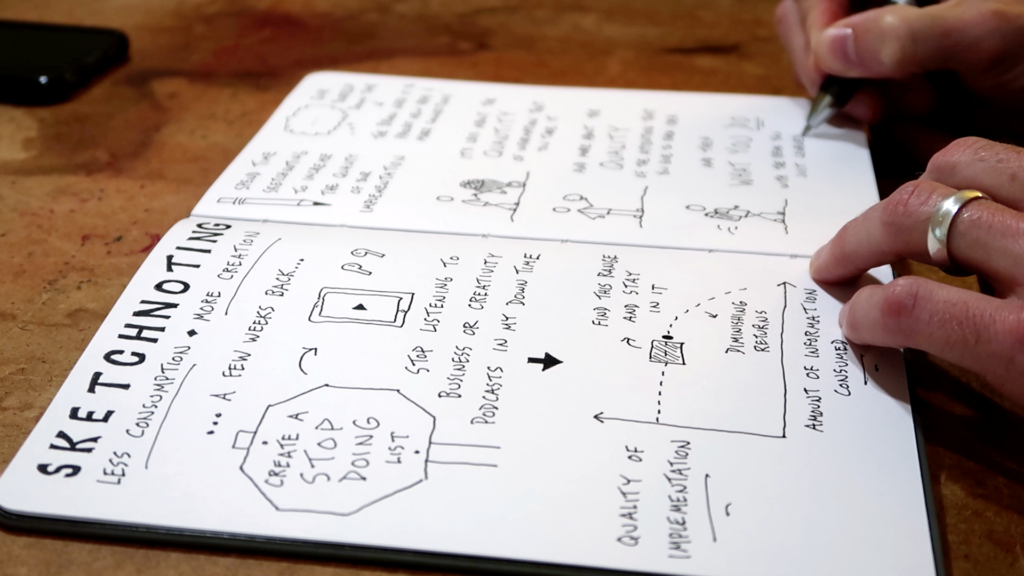
Here’s what I’ve noticed: when you sketch every day, the resistance you feel toward putting pen to paper gets smaller. The activation energy drops. You’re no longer staring at a blank page wondering if you’ve got something worth sketching. You just start.
And that momentum doesn’t stay contained to your visual thinking practice. It tends to spill over into the rest of your day. There’s a creative and thoughtful energy that comes from making something with your hands first thing in the morning, an energy that I think stands in stark contrast to the pull we all feel to outsource our thinking to digital tools.
When you’re prolific, you take hold of your own thinking. You don’t hand it off.
Being prolific also tightens the feedback loop. The more you create and share, the faster you learn what’s working, what’s resonating, and where your models need refining. You’re updating your understanding of the world more frequently while simultaneously building a visual archive that grows more valuable over time.
If you want to think of it as a flywheel, each sketch is a push. Each day you show up is another rotation. Over time, that creative momentum starts to sustain itself.
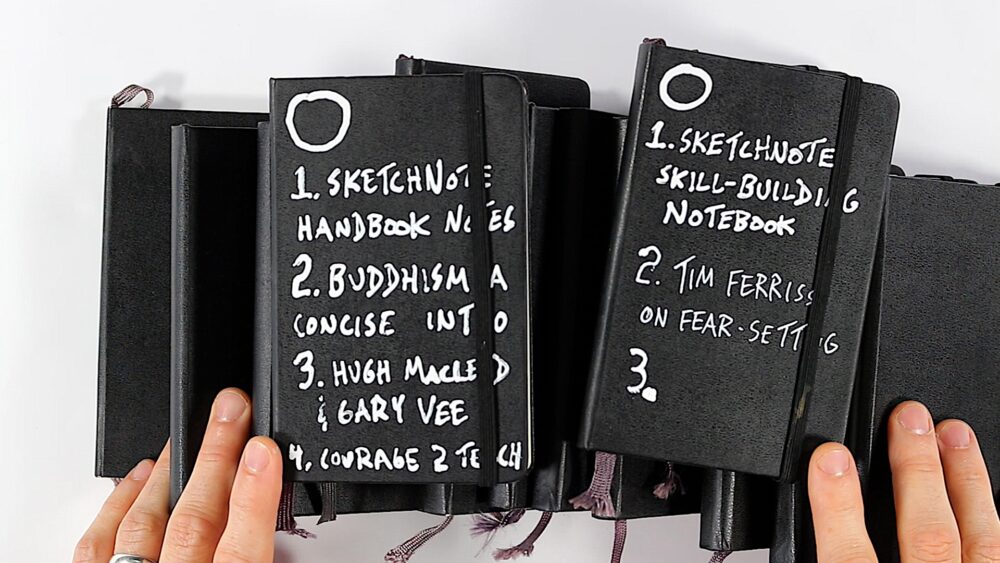
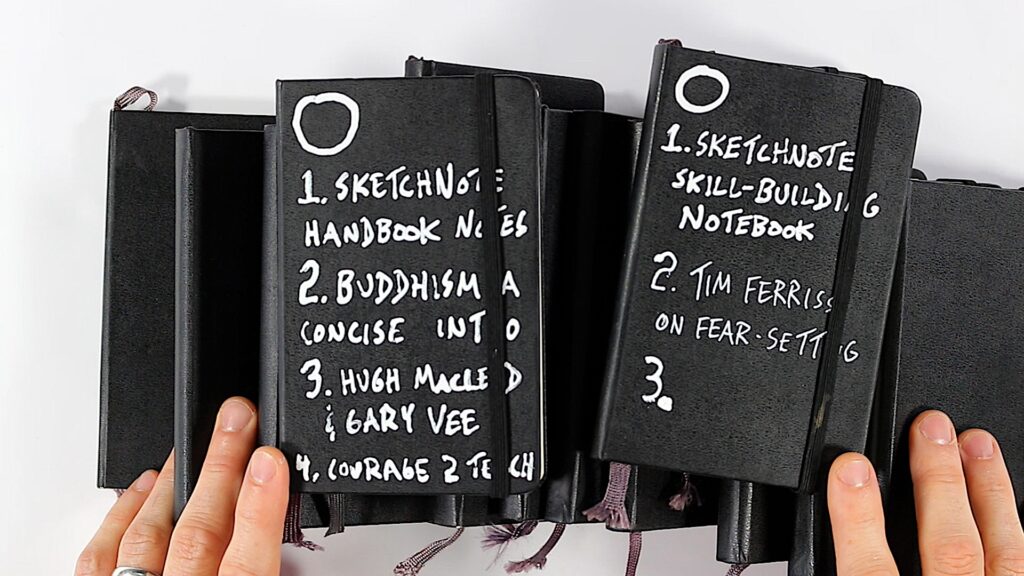
So here’s a goal I’d encourage you to consider: one filled sketchbook per year.
That’s it. Not a gallery of masterpieces. A full sketchbook. Pages of varying quality, some revisited, some rough, all of them evidence that you showed up and did the work.
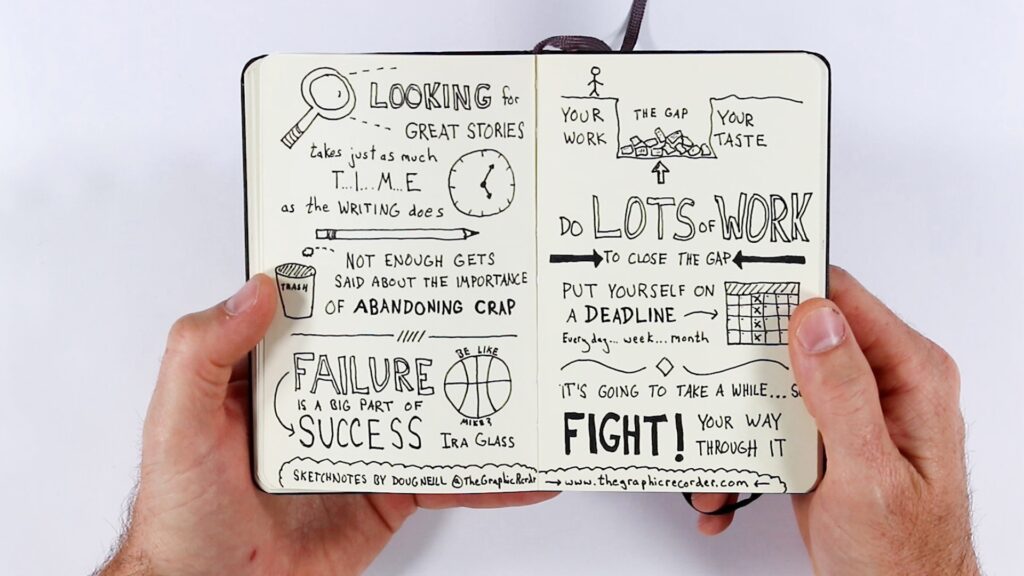
And whenever you’re comfortable, share some of those pages. Maybe with a friend over coffee, maybe with a colleague at work, maybe with fellow visual thinkers inside of Verbal to Visual.
Once you’ve built up that archive of visual thinking work, you might find yourself asking: how do I navigate all of this over time? That’s precisely one of the things we tackle inside the Make Models course in a lesson called Navigating Your Visual Archive. I encourage you to check it out.
Go fill some sketchbooks.
Cheers,
-Doug